
Two years after ASC deployed its first personnel to Pearl Harbor, more than 200 ASC employees are now undertaking Virginia Class maintenance training in Hawaii, and nearly 400 young people are in training – including 174 apprentices and 214 graduates – helping build the sovereign workforce Australia needs for its nuclear-powered submarine future.
A growing number of ASC assignees are already returning to Western Australia and applying those skills to submarine maintenance activities ahead of the commencement of Submarine Rotational Force – West (SRF-West) next year.
As part of SRF-West, ASC will support the sustainment of up to four United States Virginia Class submarines and one United Kingdom Astute Class submarines rotating through HMAS Stirling at Garden Island in Western Australia.
The international deployment program is a key part of ASC’s efforts to develop the sovereign workforce Australia will need to sustain and build conventionally armed, nuclear-powered submarines under AUKUS, combining hands-on experience with international knowledge transfer, workforce growth and nuclear stewardship training.
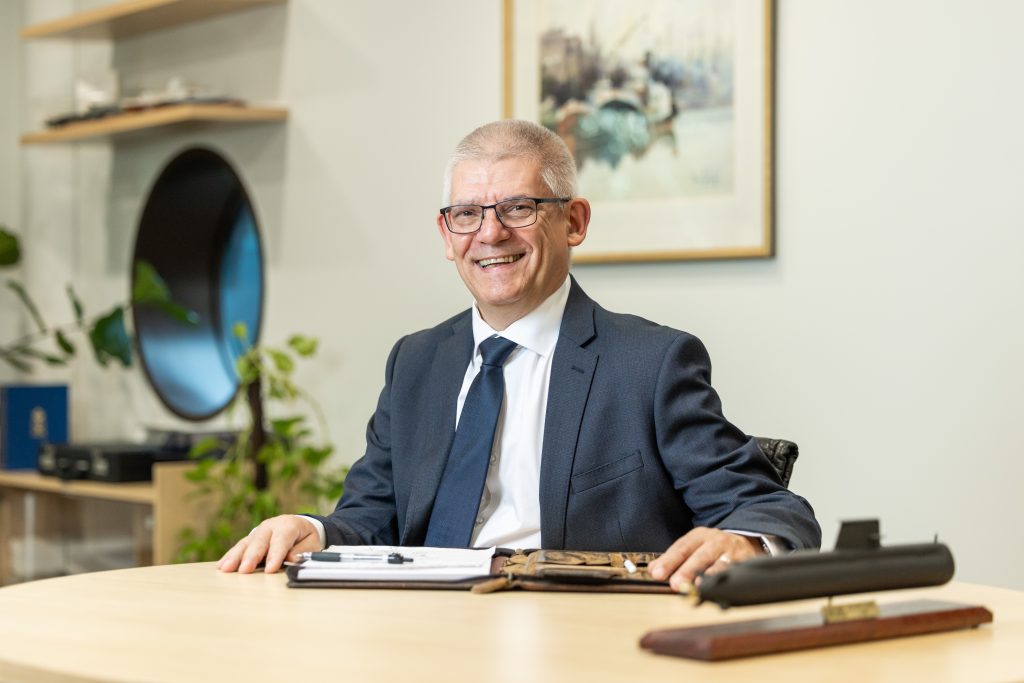
ASC Chief Executive Officer, Mr Alex Walsh said the success of the Pearl Harbor assignment program showed Australia was already building the workforce needed for its nuclear-powered submarine future.
“ASC is delivering AUKUS today,” Alex said.
“Our people are gaining hands-on experience inside one of the world’s most advanced submarine sustainment environments and bringing that knowledge home to Australia.”
Alex said ASC was building on more than 40 years of sovereign submarine experience developed through the Collins Class submarine program.
“We are building on that foundation to develop the skilled workforce, systems and industrial capability Australia will need for AUKUS,” he said.
“From the early 2030’s, ASC will help sustain Australia’s own conventionally-armed, nuclear-powered Virginia Class submarines, before transitioning to the sustainment of our sovereign SSN-AUKUS fleet from the 2040’s.
“That requires Australia to have the skilled people, systems and industrial capability to sustain its future submarine fleet here at home.”
ASC is strengthening workforce pathways across the business, including graduate, apprentice and trainee programs, experienced-hire pathways, Collins Class upskilling, international placements, and nuclear stewardship training.
The company is recruiting around 500 people each year as it grows its workforce from more than 3,200 employees today to a future peak of more than 8,000.
Alex said building workforce depth would be critical to Australia’s long-term AUKUS success.
“More than two‑thirds of our future workforce will be developed on the job, which is why we are placing such a strong focus on apprenticeships, graduates and traineeships,” Alex said.
“For aspiring engineers, technicians, trades specialists and support professionals, ASC offers a unique opportunity to build a lifelong career while contributing directly to Australia’s national security. We are already helping hundreds of young Australians build their careers with us, and that number will continue to grow as we expand the workforce needed to sustain and build Australia’s submarines.”
ASC is encouraging Australian’s interested in supporting the nations submarine future to explore career opportunities across engineering, trades, project management, supply chain, safety, quality, corporate support and sustainment operations.
To learn more about careers at ASC, visit: https://www.asc.com.au/careers